Grape Varieties
Frontenac
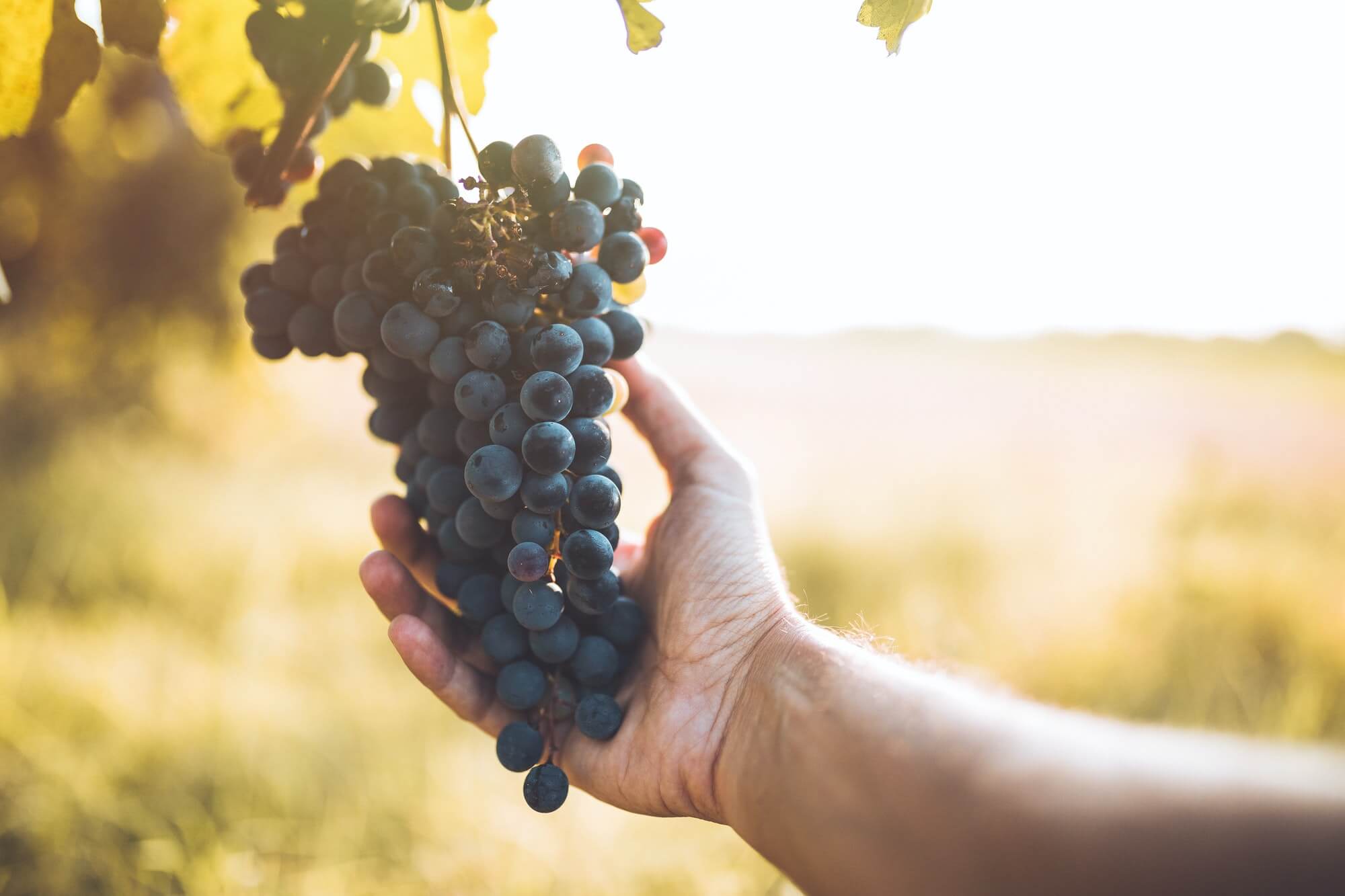
Developed through the University of Minnesota’s hybridization program, Frontenac is a cross between Landot 4511 and V. riparia 89. According to pioneering growers, it is the most productive and cost-effective variety and produces the best red and rosé wines. Its late ripening limits its cultivation to the best sites in southern Quebec. Its highly acidic must presents a challenge for winemakers.
Wine Style
A fine, complex, full-bodied wine with high alcohol content, attractive color, and aromas of black cherry and sometimes chocolate.
Cold Hardiness
Down to -36 °C.
Sabrevois
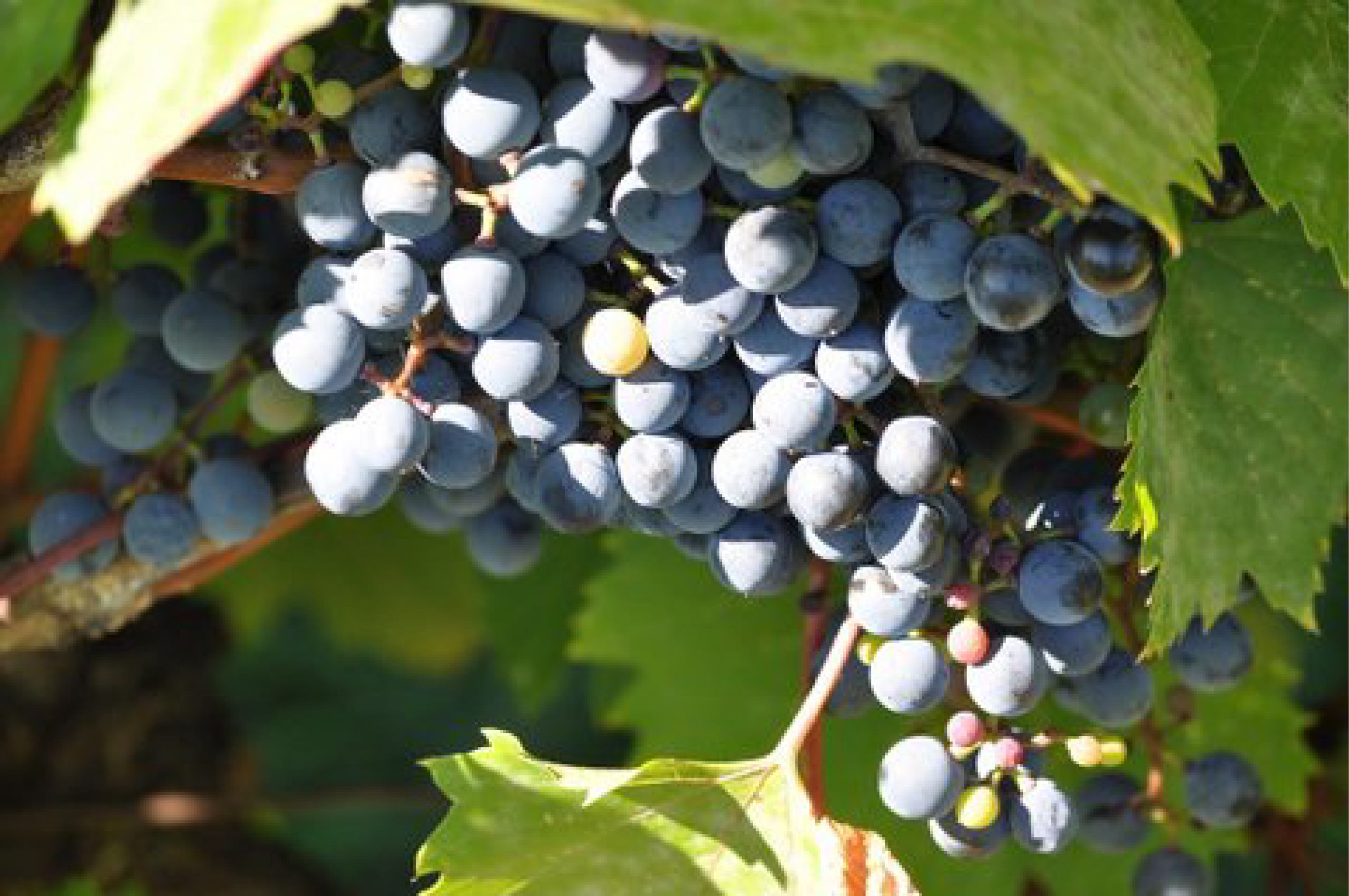
Elmer Swenson’s best red hybrid from Minnesota. It is the easiest to grow and has good cold hardiness without protection. It tolerates poorly drained soils better than other varieties. It has an upright growth habit and high vigor, but is slow to establish and does not perform well in dry or poor soil. The clusters vary in shape and are relatively small. Ripening occurs from early to midseason, with average sugar levels of 20 to 22 °Brix.
Wine Style
A well-balanced, deeply colored, tannic wine that is indistinguishable from one made from vinifera grapes, also known as noble varieties.
Cold Hardiness
Down to -38 °C.
Seyval Blanc
A French hybrid (Seyve-Villard 5-276) and the oldest grape variety in Quebec. Its upright growth, short internodes, highly fertile buds, and enormous clusters make it well suited to banking soil around the vines. It ripens unevenly in late September in Montérégie and the Eastern Townships. The clusters do not all ripen at the same time.
Wine Style
Produces characteristically aromatic dry white wines.
Cold Hardiness
Down to -24 °C.
Frontenac Gris
This color mutation was found on the original Frontenac vine, then known as MN1047, in the university’s collection in Excelsior, Minnesota. It arose from a color mutation of the original Frontenac variety. It has the same growing characteristics and is distinguishable only when its grapes turn bronze rather than red. It has excellent vigor, is highly cold-hardy, and can produce abundant yields. However, it is susceptible to certain diseases. It also shares the same weakness. This versatile grape can be used in several ways: as a vin gris, it produces a wine with its characteristic hue and aromas of apricot and peach.
Wine Style
As a white wine, it is fruity, with aromas of tropical fruit, particularly pineapple, and honey. Its high acidity also makes it suitable for dessert wines such as ice wine, where it develops an intense cherry flavor.
Cold Hardiness
Down to -36 °C.
Frontenac Blanc
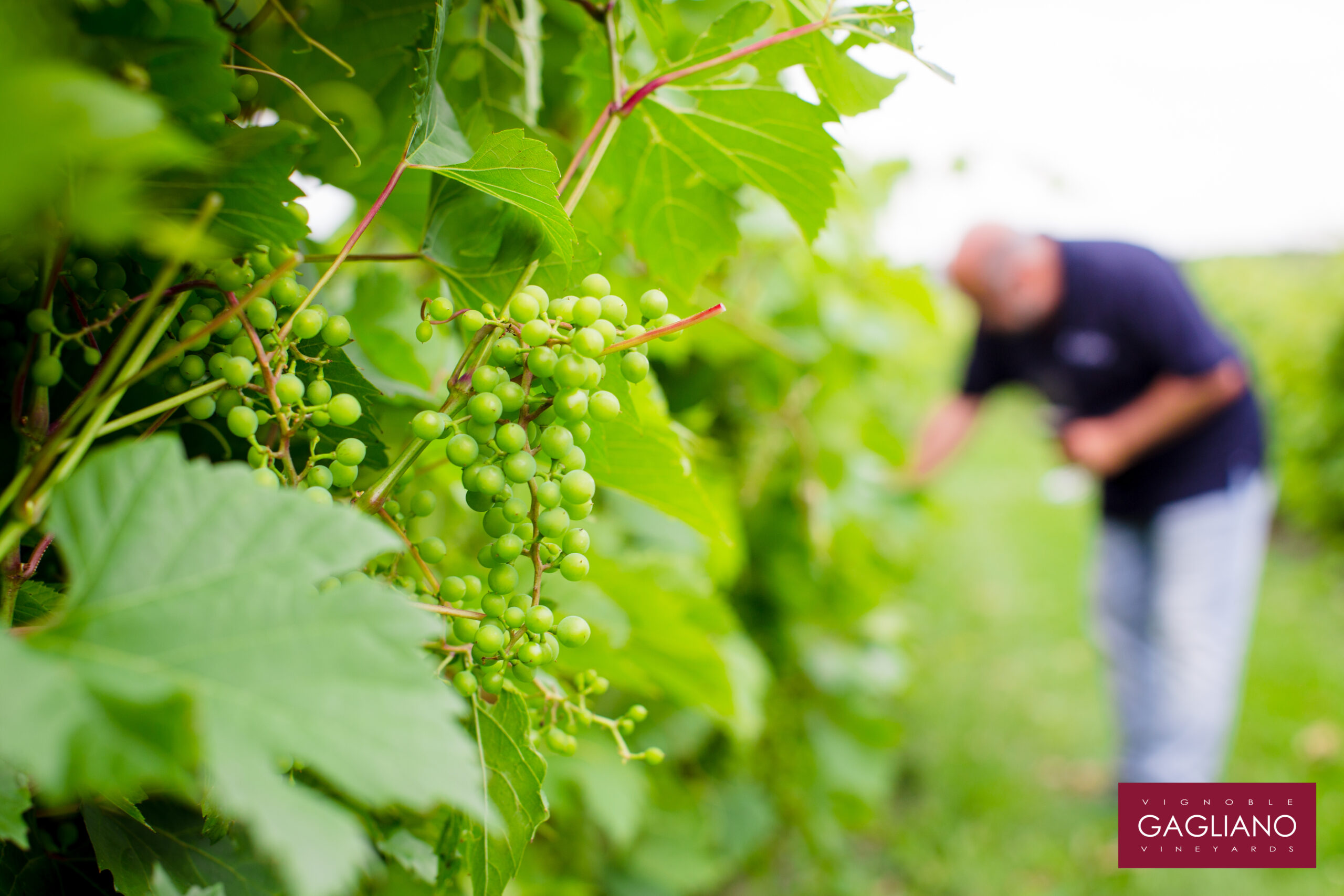
This variety arose from a color mutation of Frontenac and Frontenac Gris. It is less vigorous and ripens somewhat earlier than Frontenac.
Wine Style
A highly versatile grape for winemaking, producing wines that are more complex and refined than Frontenac Gris, with aromas of tropical fruit, pear, peach, and passion fruit. It makes a white wine with an intense lemon-yellow color. Its high acidity makes it a good candidate for late-harvest wine or ice wine.
Cold Hardiness
Down to -36 °C.
Pionnier
Pionnier is a hybrid grape variety developed by Elmer Swenson in the United States. The name Pionnier is used only in Quebec and has never been officially recognized.
Wine Style
Produces good rosé wines and a pleasant juice with aromas of serviceberry and strawberry. It has low acidity and lacks tannin and structure.
Cold Hardiness
Down to -35 °C.
Petite Pearl
The best red hybrid developed by the University of Minnesota in the United States. It requires no winter protection.
Wine Style
Produces an excellent red wine with a pH of 3.5, a total acidity of 7 g, and a sugar level of 22 to 24 °Brix. An ideal grape variety for Quebec’s climate.
Cold Hardiness
Down to -36 °C.